
A clogged sink drain stops your day in its tracks. Water pools in the basin, dishes pile up, and what started as a minor inconvenience quickly becomes a major disruption. Understanding what causes sink clogs and how to address them can save you time, money, and frustration.
This guide walks you through identifying common causes, trying proven DIY solutions, and recognizing when it’s time to call a professional plumber.
 Understanding Why Sink Drains Get Clogged
Sink clogs don’t appear out of nowhere. They build up gradually as materials accumulate in your pipes. Different sinks face different challenges based on what goes down them.
Common Causes in Kitchen Sinks
Kitchen sink clogs typically result from:
Grease and cooking oils – These liquids seem harmless when poured down the drain, but they solidify as they cool, coating the inside of your pipes and trapping other debris.
Food particles – Even with a garbage disposal, small bits of food can accumulate over time. Coffee grounds, rice, pasta, and fibrous vegetables are particularly problematic.
Soap scum buildup – Dish soap combines with minerals in hard water to create a sticky residue that narrows your pipes.
If you’re experiencing persistent kitchen sink issues, our kitchen plumbing services can help identify and resolve the underlying problem.
Common Causes in Bathroom Sinks
Bathroom drains face their own set of challenges:
Hair accumulation – Hair combines with soap and forms dense clumps that block water flow. The pop-up stopper in most bathroom sinks catches and holds these clumps right at the drain opening.
Soap and toothpaste residue – These products don’t fully dissolve in water and instead coat your pipes, gradually restricting flow.
Foreign objects – Small items like jewelry, cotton swabs, or dental floss can create instant blockages.
How to Identify the Severity of Your Clog
Before attempting any fix, assess the situation. This helps you choose the right approach and avoid wasting time on methods that won’t work.
Signs of a Minor Clog
- Water drains slowly but eventually clears
- Only one sink is affected
- No unusual sounds or odors
- Water level gradually decreases when left alone
Minor clogs respond well to DIY methods and often result from surface-level buildup near the drain opening.
Signs of a Serious Clog
- Water doesn’t drain at all or backs up immediately
- Multiple fixtures drain slowly or back up together
- Gurgling sounds come from the drain or nearby fixtures
- Foul odors rise from the drain
- Water backs up in other locations when you run this sink
These symptoms indicate a deeper blockage in your main drain line. Professional drain cleaning services use specialized equipment to locate and remove these stubborn clogs without damaging your pipes.
When Multiple Drains Are Affected
If several sinks, tubs, or toilets show drainage problems simultaneously, the issue likely exists in your main sewer line rather than an individual fixture. This situation requires immediate professional attention. Our camera line inspection services can pinpoint the exact location and cause of the blockage.
DIY Methods to Clear a Clogged Sink
For minor clogs, several household methods can restore proper drainage. Always wear rubber gloves when working with drains to protect your hands from bacteria and cleaning solutions.
Method 1: Boiling Water
This simplest approach works surprisingly well for many clogs, especially those caused by grease or soap buildup.
Steps:
- Boil a full kettle of water
- Pour the water directly down the drain in two or three stages
- Wait a few seconds between pours to let the heat work
- Test drainage with cold water
Best for: Grease buildup, soap scum, minor organic matter Caution: Don’t use boiling water with PVC pipes, as extreme heat can soften the joints. Use very hot tap water instead.
Method 2: Baking Soda and Vinegar
This chemical-free method creates a fizzing reaction that can break up organic clogs without harsh chemicals.
Steps:
- Remove standing water from the sink
- Pour one cup of baking soda down the drain
- Follow with one cup of white vinegar
- Immediately cover the drain with a stopper or wet cloth
- Let the mixture work for 15-30 minutes
- Flush with hot water
Best for: Organic buildup, light grease, soap scum Why it works: The reaction creates pressure and produces carbon dioxide, which helps dislodge debris while the acetic acid breaks down organic matter.
Method 3: Manual Plunging
A standard cup plunger (not a toilet plunger) can generate enough pressure to dislodge many clogs.
Steps:
- Fill the sink with 3-4 inches of water
- Remove the drain stopper if present
- Place the plunger firmly over the drain opening, creating a seal
- If the sink has an overflow hole, plug it with a wet cloth
- Push down slowly, then pull up quickly with force
- Repeat 15-20 times with increasing intensity
- Remove the plunger quickly on the final pull
Best for: Solid blockages near the drain opening, hair clogs Pro tip: The upward pull is more important than the downward push. The suction helps break up and move the clog.
Method 4: P-Trap Cleaning
The P-trap is the curved pipe directly under your sink. It’s designed to hold water and prevent sewer gases from entering your home, but it also catches debris.
Steps:
- Place a bucket under the P-trap to catch water
- Loosen the slip nuts on both ends of the P-trap (use pliers if necessary)
- Remove the P-trap and empty its contents
- Clean out any visible debris
- Check the pipe connecting to the wall for blockages
- Reassemble the P-trap, ensuring slip nuts are hand-tight
- Run water to check for leaks
Best for: Solid objects, jewelry retrieval, severe clogs near the sink When to try this: If plunging doesn’t work, the P-trap is often the culprit.
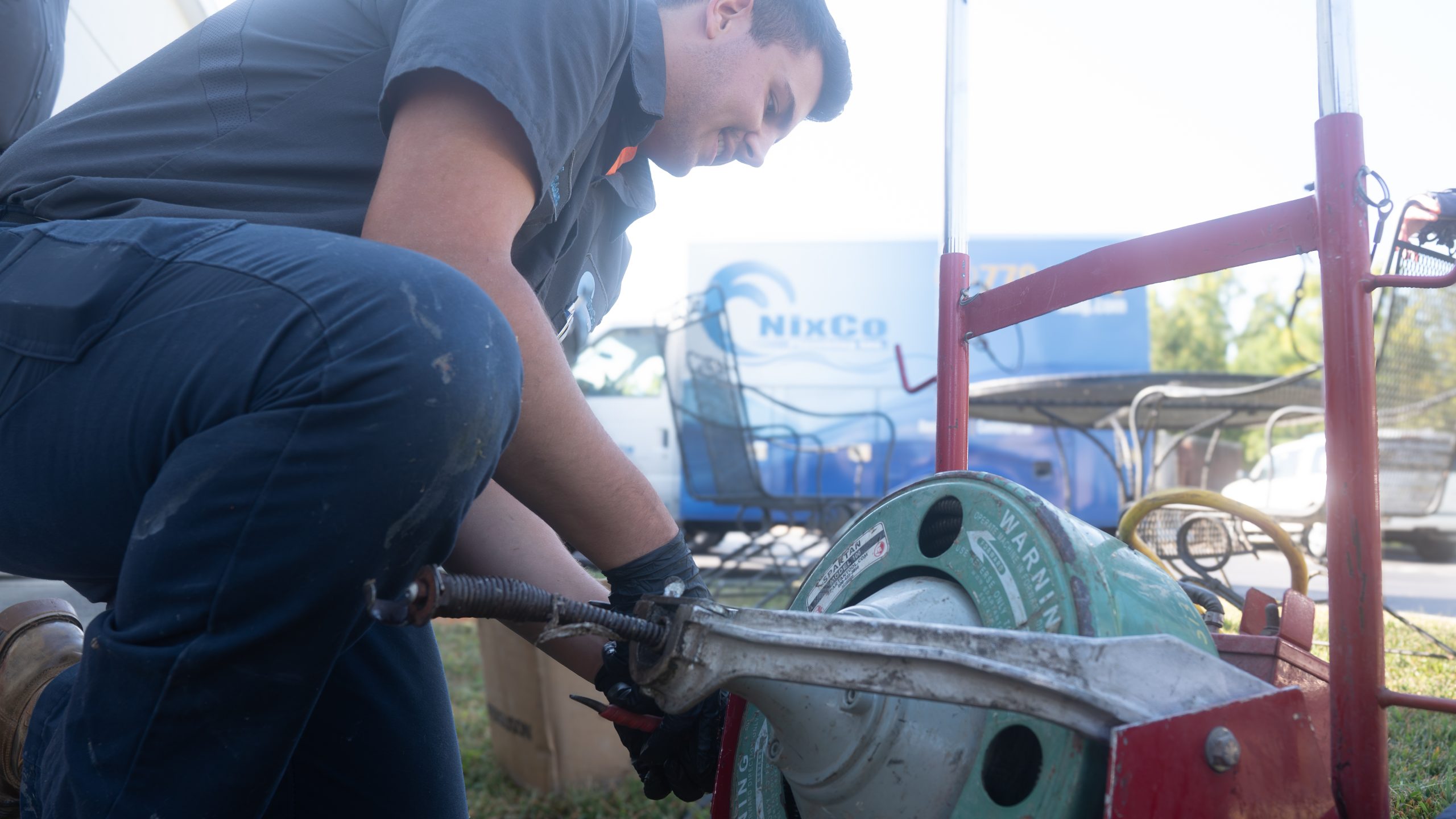
Method 5: Drain Snake or Auger
A manual drain snake (also called a plumber’s snake or auger) can reach clogs that other methods can’t.
Steps:
- Insert the snake end into the drain opening
- Push forward while turning the handle clockwise
- When you feel resistance, continue turning to break up the clog
- Pull back slightly, then push forward again
- Extract the snake slowly, pulling out debris as you go
- Flush the drain with hot water
Best for: Hair clogs, deeper blockages, stubborn accumulations Available at: Most hardware stores for $15-30
Method 6: Enzyme-Based Drain Cleaners
Unlike harsh chemical cleaners, enzyme-based products use beneficial bacteria to digest organic matter.
Steps:
- Pour the recommended amount down the drain
- Leave overnight (8-12 hours works best)
- Flush with hot water in the morning
- Repeat if necessary
Best for: Regular maintenance, organic buildup, slow drains Why choose enzymes: They won’t damage pipes, are safe for septic systems, and provide ongoing protection against buildup. However, they work slowly and won’t clear complete blockages.
When DIY Isn’t Enough: Signs You Need Professional Help
Some situations require professional equipment and expertise. Recognizing these signs saves you time and prevents potential damage from repeated amateur attempts.
Call a Professional Plumber When:
The clog returns quickly – Recurring clogs within days or weeks indicate a deeper problem. Tree roots, pipe deterioration, or improper venting can cause persistent drainage issues that DIY methods can’t address.
Multiple drains are affected – When several fixtures back up at once, the problem exists in your main drain line or sewer connection. This requires professional drain cleaning with specialized equipment like hydrojetting.
You’ve tried everything without success – If you’ve attempted multiple DIY methods without improvement, the blockage is likely beyond the reach of household tools.
Sewage backs up – Any sewage backup is a health hazard requiring immediate professional attention. Contact emergency plumbing services right away.
You hear gurgling from multiple locations – This sound indicates air trapped in your plumbing system, often caused by a vent blockage or main line clog.
Foul odors persist – Ongoing sewer smells suggest a crack in your pipes, a dried-out P-trap, or a serious clog allowing gases to escape.
You have old or damaged pipes – Aggressive DIY methods can damage aging pipes. If your home is more than 50 years old or you know you have cast iron or galvanized pipes, professional assessment is safer.
What Professional Plumbers Can Do
Licensed plumbers have access to tools and techniques unavailable to homeowners:
Video camera inspections – Our camera line inspection services let us see exactly what’s blocking your pipes and where it’s located. This eliminates guesswork and prevents unnecessary digging or pipe removal.
Hydrojetting – This method uses high-pressure water streams to scour pipes clean, removing even the most stubborn buildup. Hydrojetting is particularly effective for grease, scale, and tree root intrusions.
Professional-grade augers – Motorized drain snakes can reach 100+ feet into your plumbing system, far beyond what handheld versions achieve.
Pipe repair or replacement – If your drainage problems stem from damaged or deteriorating pipes, we can assess whether pipe repair or replacement is the best long-term solution.
Preventative Maintenance to Avoid Future Clogs
Prevention is always easier and less expensive than repair. These simple habits keep your drains flowing freely.
In the Kitchen
Never pour grease down the drain – Let cooking oils cool in a container, then dispose of them in the trash. Even small amounts of grease accumulate over time.
Use a sink strainer – A simple mesh strainer catches food particles before they enter your drain. Empty it into the trash after each use.
Run hot water after each use – Let hot water run for 15-20 seconds after washing dishes to help flush away soap and small particles.
Dispose of food properly – Even with a garbage disposal, some foods don’t belong in the drain. Avoid putting coffee grounds, eggshells, pasta, rice, potato peels, and fibrous vegetables down the disposal.
Clean your garbage disposal monthly – Grind ice cubes and citrus peels to clean blades and freshen the smell.
In the Bathroom
Install drain screens – Hair catchers or drain screens sit over the drain opening and trap hair before it can form clogs. Clean them weekly.
Clean the pop-up stopper regularly – Unscrew or pull up your bathroom sink stopper monthly and remove accumulated hair and soap scum.
Brush hair before showering – This simple step reduces the amount of loose hair that ends up in your drain.
Use less product – Excess shampoo, conditioner, and soap create more residue. Use only what you need.
For All Drains
Weekly hot water flush – Once a week, run very hot water down all your drains for 30-60 seconds to melt away building grease and soap.
Monthly baking soda treatment – Pour baking soda down each drain monthly, followed by hot water. This gentle treatment prevents buildup without harsh chemicals.
Annual professional inspection – Consider scheduling a yearly drain inspection as part of your home maintenance routine. Early detection of buildup or damage prevents emergency situations.
Know what belongs in drains – The only things that should go down any drain are water and, in bathroom sinks, appropriate personal care products. Even “flushable” wipes shouldn’t go down drains, as they don’t break down like toilet paper.
Essential Tools for Drain Maintenance
Keep these items on hand for quick response to minor clogs:
Cup plunger – Choose one with a flat bottom specifically designed for sinks, tubs, and showers. Store it separately from your toilet plunger.
Drain snake or auger – A basic 15-25 foot manual snake handles most household clogs. Available at hardware stores for $15-30.
Bucket and old towels – Essential for catching water when working under sinks or removing P-traps.
Rubber gloves – Protect your hands from bacteria and cleaning solutions.
Flashlight – Helps you see into drains and inspect under sinks.
Adjustable pliers or pipe wrench – Needed for removing P-traps and other plumbing connections.
Baking soda and vinegar – Keep these pantry staples stocked for gentle, chemical-free clog treatment.
Sink strainers – One for each sink prevents most clogs before they start.
FAQs About Clogged Sink Drains
How long does it take for baking soda and vinegar to unclog a drain?
Allow the mixture to work for 15-30 minutes before flushing with hot water. For stubborn clogs, you can leave it overnight. This method works best on organic buildup and light clogs, not complete blockages or solid objects.
Can I use chemical drain cleaners to clear my clog?
Chemical drain cleaners can damage pipes, especially with repeated use, and they pose health risks if splashed or inhaled. They’re also ineffective against many types of clogs. Enzyme-based cleaners offer a safer alternative for maintenance, while mechanical methods (plunging, snaking) work better for actual clogs.
Why does my sink drain slowly but not completely clog?
Slow drainage indicates partial blockage from accumulated buildup. Hair, soap scum, or grease has narrowed your pipes but not blocked them completely. Address slow drains promptly, as they always worsen over time and eventually create full blockages.
Will a garbage disposal prevent kitchen sink clogs?
A garbage disposal helps by grinding food particles smaller, but it doesn’t prevent clogs. In fact, disposal use can contribute to clogs if you put inappropriate items down it or don’t run enough water during and after use. Always run cold water for 15-20 seconds after using your disposal.
How often should I clean my P-trap?
Clean your P-trap once or twice a year as preventative maintenance, or immediately if you’ve dropped something valuable down the drain. Regular cleaning prevents buildup and helps you catch problems before they become serious.
What causes a clog to keep coming back?
Recurring clogs indicate an underlying issue. Common causes include improper pipe slope, venting problems, tree root intrusion, pipe corrosion, or accumulation beyond your P-trap. Professional inspection can identify the root cause and prevent ongoing problems.
Can I prevent clogs completely?
While you can’t prevent all clogs, proper maintenance and good habits dramatically reduce their frequency. Using drain screens, avoiding grease disposal, flushing with hot water regularly, and scheduling annual inspections keep your drains flowing freely for years.
Keep Your Drains Flowing Freely
Minor clogs respond well to simple DIY methods like plunging, baking soda and vinegar, or P-trap cleaning. These approaches save money and solve most common drainage problems quickly.
However, persistent clogs, recurring blockages, or multiple affected fixtures require professional attention. Attempting DIY fixes on serious problems wastes time and risks pipe damage.
At Nixco Plumbing, we’ve been clearing clogged drains in the Cincinnati area since 1978. Our licensed, background-checked technicians use advanced equipment like video cameras and hydrojetting to locate and eliminate even the most stubborn blockages. We provide upfront pricing with no surprises and back all our work with a 100% satisfaction guarantee.
Dealing with a clogged sink that won’t clear? Don’t let it disrupt your day any longer.
Schedule Your Drain Cleaning Service or call us at [phone number] for same-day service. We answer the phone live 24/7 for emergencies because plumbing problems don’t wait for business hours.
Serving homeowners and businesses throughout Warren, Hamilton, and Butler Counties in Ohio with the same family values and commitment to quality that have defined us for over 45 years.