

Learning how to protect outdoor faucets from freezing is essential for preventing costly water damage during winter months. When temperatures drop below freezing, water inside pipes expands, creating pressure that can cause pipes to burst and flood your property. This comprehensive guide provides proven methods to prevent outdoor faucet from freezing and keep your plumbing system intact throughout the coldest weather.
Understanding Frozen Outdoor Faucet Risks
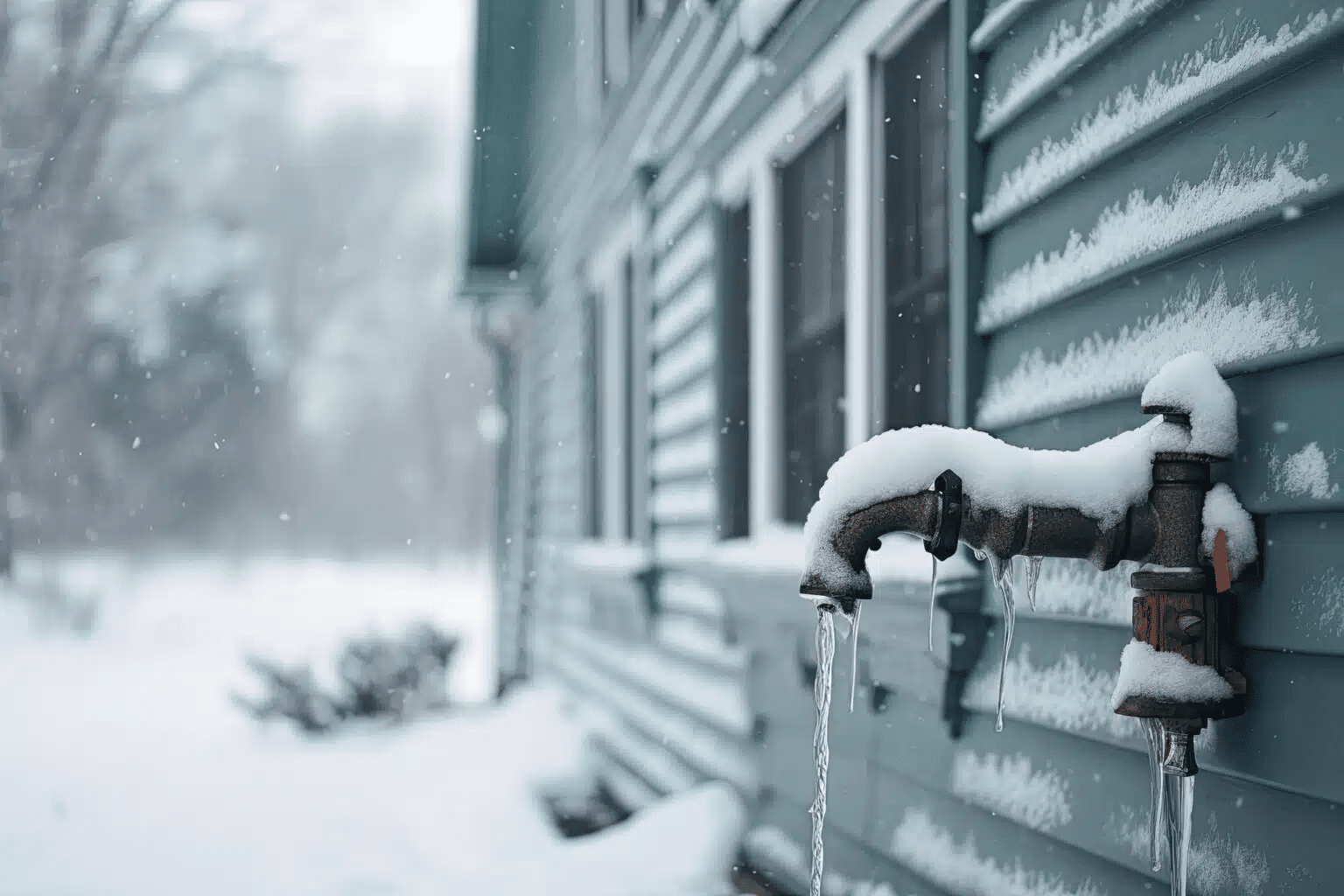
Outdoor faucet cold weather damage occurs when trapped water freezes and expands inside pipes. This expansion creates tremendous pressure that can crack pipes, damage faucet components, and lead to significant water damage. Even a single frozen outdoor faucet can result in thousands of dollars in repairs.
The most vulnerable areas include exposed pipes leading to outdoor spigots, faucet connections, and any water remaining in the system. Even frost-free faucets can experience problems if there’s a leaky outdoor faucet in winter that allows water to accumulate where it shouldn’t.
Step 1: Inspect All Outdoor Water Sources
Before winter arrives, thoroughly inspect all outdoor faucets around your property. Check front and back yards, garage areas, and side-mounted spigots. Look for signs of wear, corrosion, or existing leaks that could worsen in freezing conditions.
Pay special attention to any leaky outdoor faucet in winter, as even small drips can create ice buildup that damages the entire system. Ensure shut-off valves operate smoothly and all connections are secure.
Step 2: Drain Outdoor Faucets and Disconnect Hoses
One of the most critical steps in outdoor faucet winterization is to drain outdoor faucets completely. Start by disconnecting all garden hoses and accessories. Water trapped in connected hoses can freeze and back up into the faucet, causing damage even to properly winterized systems.
To drain outdoor faucets effectively, locate the interior shut-off valve controlling water flow to each outdoor spigot. Turn this valve clockwise until it stops completely. Go outside and open the outdoor faucet fully, allowing remaining water to drain out. Leave the faucet open throughout winter to prevent pressure buildup.
Store disconnected hoses in a heated garage or shed to prevent them from becoming brittle and cracking in cold temperatures.
Step 3: Insulate Outdoor Faucet Systems
Learning how to insulate outdoor faucet systems properly provides additional protection against freezing temperatures. Foam faucet covers are the most popular choice for winterizing outdoor taps. These inexpensive covers slip over the entire faucet and provide excellent insulation against cold air.
When installing foam covers, ensure they fit snugly around the faucet and any exposed piping. For extremely cold areas, consider using insulated faucet socks or wrapping exposed pipes with foam pipe insulation for additional thermal protection.
Step 4: Seal Air Leaks and Gaps
Cold air infiltration around outdoor faucet installations can undermine insulation efforts. Inspect where pipes enter your home’s exterior wall and seal gaps with weatherproof caulk or expanding foam. These openings can allow frigid air to reach pipes and cause freezing even when other precautions are in place.
Step 5: Consider Frost-Free Faucet Upgrades
If you frequently deal with outdoor spigot freezing issues, installing frost-free faucets might be the best long-term solution. These specialized faucets have shut-off valves located inside the heated portion of your home, automatically draining water from the exterior pipe when turned off.
However, even frost-free faucet frozen situations can occur if hoses are left connected or if the faucet develops internal problems. Professional installation ensures proper slope and positioning for optimal drainage.
Emergency Response for Frozen Faucets
Despite best efforts, you may encounter a frozen outdoor faucet situation. If this occurs, shut off the main water supply immediately to prevent flooding when ice melts. Apply gentle heat using a hair dryer, heating pad, or warm towels.
Never use boiling water, torches, or high-heat sources, as rapid temperature changes can crack pipes and faucets. If pipes have burst or you cannot locate the frozen area, contact professional plumbers immediately.
Frequently Asked Questions
What is the best way to protect outdoor faucets from freezing?
The most effective approach combines draining outdoor faucets completely, disconnecting all hoses, installing insulation covers, and sealing air gaps around pipe entry points.
Can frost-free faucets still freeze?
Yes, frost-free faucet frozen situations can occur when hoses remain connected during winter or when internal mechanical problems develop. Always disconnect hoses and have them inspected if issues persist.
How early should I start winterizing outdoor taps?
Begin winterizing outdoor taps before the first hard freeze, typically in late fall when nighttime temperatures consistently drop below 40°F.
What should I do if I discover a frozen outdoor faucet?
Immediately shut off the main water supply, then apply gentle heat using a hair dryer or warm towels. Never use excessive heat sources that could crack pipes.
Is it necessary to drain outdoor faucets if I have frost-free models?
Yes, you should still drain outdoor faucets and disconnect hoses even with frost-free models to prevent potential freezing issues and extend system life.
How can I prevent a leaky outdoor faucet in winter from causing damage?
Address leaky outdoor faucet in winter issues immediately by replacing worn washers, tightening connections, or contacting professional plumbers for repairs.
Should I leave outdoor faucets open or closed during winter?
After draining, leave outdoor faucets in the open position throughout winter to prevent pressure buildup and allow proper drainage during temperature fluctuations.
What type of insulation works best to insulate outdoor faucet systems?
Foam faucet covers provide excellent protection for most climates. For extremely cold regions, combine foam covers with pipe insulation wrapping for additional protection.
Professional Winterization Services
While many homeowners can handle basic winterization, complex plumbing systems or recurring freezing problems may require professional attention. Experienced plumbers can identify vulnerable areas and ensure all winterization steps are completed correctly.
At Nixco Plumbing, our experienced technicians specialize in comprehensive winterization services for Cincinnati and Dayton area homes. We understand local climate challenges and provide customized solutions to keep outdoor faucet from freezing throughout winter.
Conclusion
Protecting outdoor faucets from freezing requires proper preparation, quality materials, and ongoing maintenance. By following these proven methods to prevent outdoor faucet from freezing, you can avoid costly repairs and ensure your plumbing system remains functional throughout winter.
Don’t wait until freezing temperatures arrive to protect your outdoor water sources. Contact Nixco Plumbing today at (513) 463-8374 for professional winterization services and expert guidance on protecting your outdoor faucets all winter long.